
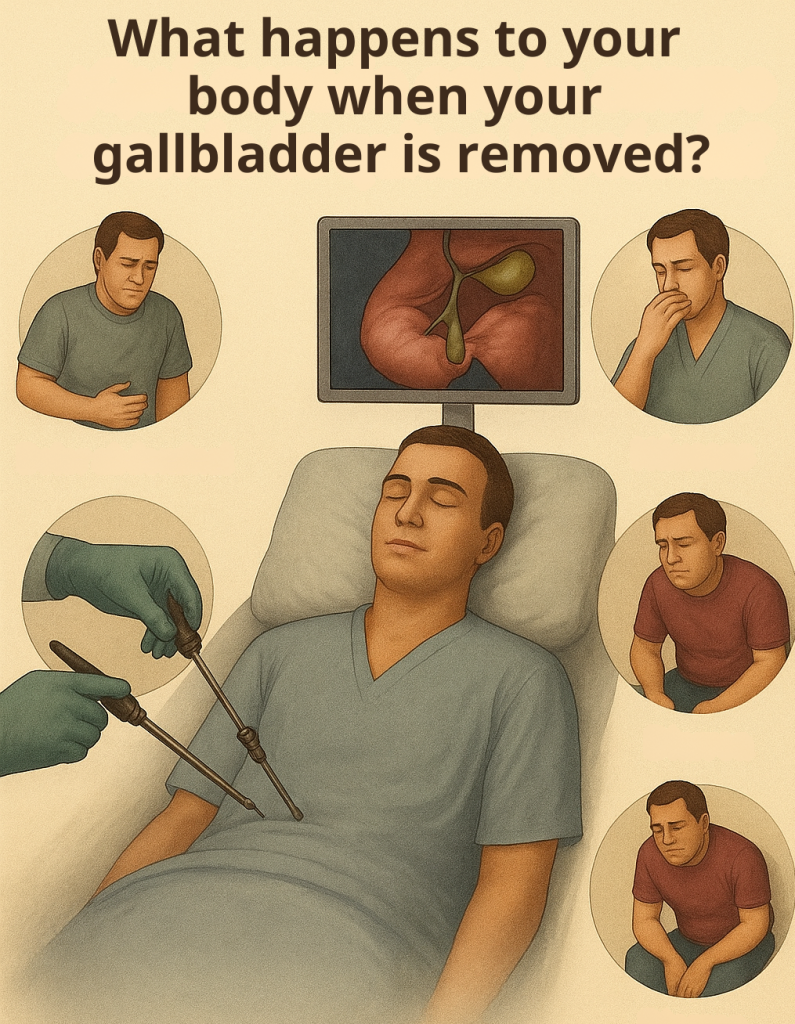
Gallbladder removal — medically known as a cholecystectomy — is a common procedure, often done to treat gallstones or chronic inflammation. While it’s entirely possible to live a healthy life without a gallbladder, the surgery does bring real changes to your digestive system that many people don’t expect.
In this article, we’ll explore what happens inside your body after the operation and offer practical, natural strategies to support your digestion and overall well-being.
What Does the Gallbladder Actually Do?
The gallbladder is a small, pear-shaped organ tucked under your liver. Its job is to store bile — a digestive fluid made by the liver that helps break down fats.
Whenever you eat, especially meals containing fat, the gallbladder releases bile into the small intestine. This stored bile helps your body digest those fatty foods more efficiently.
What Happens After It’s Removed?
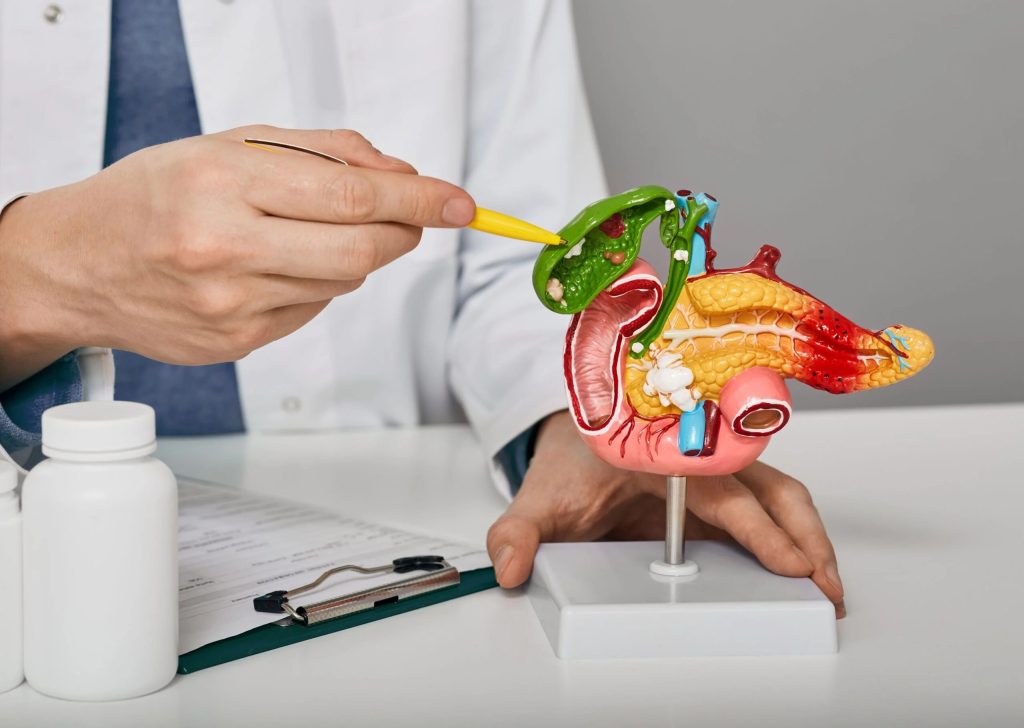
When the gallbladder is gone, your body no longer has a “reservoir” for bile. The liver still produces it, but instead of being stored and released at mealtimes, bile now flows continuously into the intestine — even when you’re not eating.